
hollow ceramic microspheres
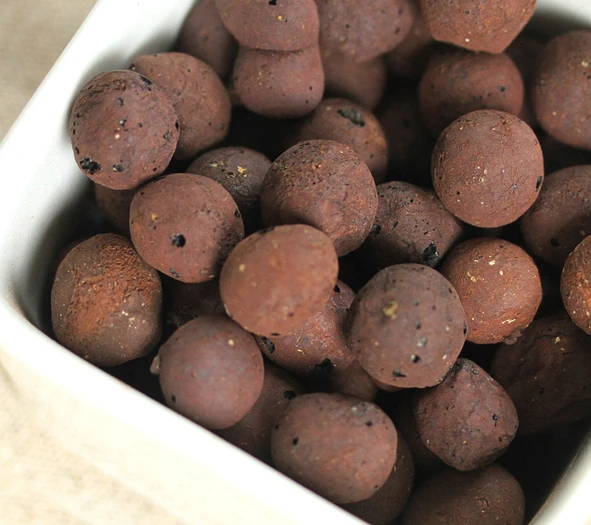
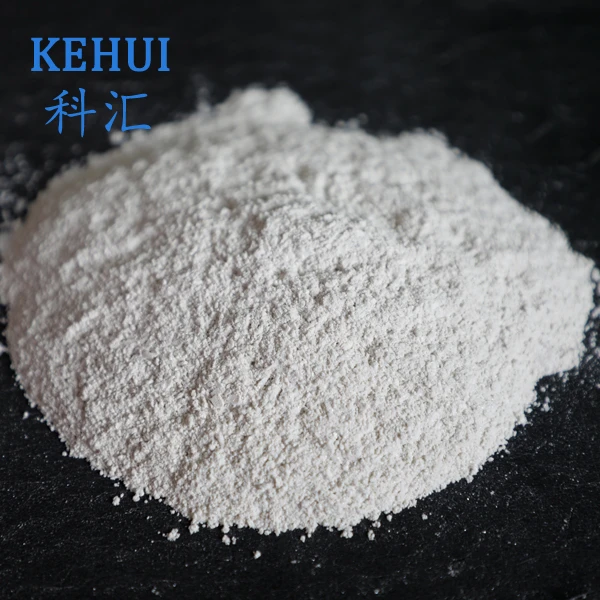
Cenosphere , ceramic microspheres , and Hollow ceramic microspheres are remarkable materials that have gained significant attention in various industries due to their unique properties and diverse applications. These tiny yet powerful spheres offer a plethora of advantages, making them indispensable in many technological and industrial advancements. In this article, we will explore different aspects of these materials, uncovering their characteristics, uses, and potential. Properties and Composition of cenosphere C enosphere ( Hollow ceramic microspheres ) are lightweight, inert, hollow, nonmetallic spherical materials,composed largely of silica (SiO2) and alumna (Al2O3) compositions,similar with glass and ceramic.Compared to irregular-shaped and partially-spherical fillers, the 100% spherical shape of ceramic microspheres ,provides improved processing and performance. Being inert it is not affected by solvents, water, acids or alkalis.75% lighter than other minerals currently used as a filler or extender. cenosphere s' spherical geometry contributes to easy packing and dispersion within matrices. Applications of ceramic microspheres C enosphere s have been shown to improve performance,reduce VOCs,increase total solids and reduce costs in a wide range of applications,including: Paint&Coatings ink,bond,vehicle putty, insulating, antiseptic, fireproof paints. Constructions speciality cements, mortars, grouts, stucco, roofing materials, acoustical panels, coatings, shotcrete, gunite. Plastics BMC and SMC molding compounds, injection molding, modeling, extrusion, PVC floors, foils,nylon, HDPE, LDPE, polypropylene. Foundry&Refractory refractories, castables, tile, fire bricks, aluminium cement, insulating materials,coatings. Automotive composites, undercoats, tires, engine parts,brake blocks, decorative bars, body fillers, plastics, damping materials. Oil Manufacturing oil well cements, drilling muds,grinding materials,lost circulation aids,explosives. Manufacturing Process of Hollow ceramic microspheres The manufacturing process of Hollow ceramic microspheres is a complex and precise one. There are several methods available for producing these spheres, each with its own advantages and limitations. One common method is the spray - drying process. In this process, a ceramic slurry is atomized into tiny droplets, which are then dried in a hot gas stream. As the droplets dry, they form hollow spheres. Another method is the sol - gel process. Here, a sol (a liquid mixture of colloidal particles) is converted into a gel, which is then dried and sintered to form Hollow ceramic microspheres . The sol - gel process allows for better control over the size, shape, and porosity of the spheres. The sintering step is crucial in both processes as it helps to densify the ceramic material, improving its mechanical and physical properties. During the spray - drying process, parameters such as the size of the atomizer nozzle and the temperature of the drying gas can significantly affect the properties of the final product.In the sol - gel process, the choice of precursor materials and the reaction conditions play a vital role in determining the characteristics of the Hollow ceramic microspheres . Advantages of Using cenosphere in Composites C enosphere s offer numerous advantages when used in composite materials. As mentioned earlier, their low density reduces the weight of the composite, which is highly beneficial in applications where weight reduction is a priority, such as in the automotive and aerospace industries. This weight reduction can lead to improved fuel efficiency and performance. Additionally, cenosphere s can enhance the mechanical properties of composites. They can increase the flexural strength, impact resistance, and modulus of elasticity of the composite material. The spherical shape of cenosphere s also helps to distribute stress evenly within the composite, reducing the risk of crack propagation. Furthermore, cenosphere s are relatively inexpensive compared to some other reinforcing materials, making them a cost - effective option for composite manufacturers. C enosphere s can also act as a filler in composites, reducing the amount of resin required, which further cuts down on production costs.Their chemical inertness ensures that they do not react with the matrix material, maintaining the integrity of the composite over time. FAQS about cenosphere What are the main differences between cenosphere and ceramic microspheres ? C enosphere s are a specific type of ceramic microsphere that are by - products of coal combustion. They have a distinct origin and composition compared to ceramic microspheres produced through other manufacturing processes. cenosphere s are mainly composed of silica and alumina, while ceramic microspheres can have a wider range of compositions depending on the raw materials used in their production. Additionally, cenosphere s have a more natural origin, while many ceramic microspheres are synthetically produced, which can lead to differences in their properties and performance in various applications. How can Hollow ceramic microspheres be used in the insulation industry? Hollow ceramic microspheres are highly valuable in the insulation industry. Their hollow structure contains air, which is a poor conductor of heat. When incorporated into insulation materials such as foams, blankets, or coatings, these spheres create numerous tiny air pockets. These air pockets act as barriers to heat transfer, reducing the amount of heat that can pass through the insulation material. As a result, Hollow ceramic microspheres - enhanced insulation can effectively maintain temperature differences, whether it is keeping a building warm in cold weather or cool in hot weather, and also help in reducing energy consumption for heating and cooling systems. What are the key factors to consider when choosing ceramic microspheres for a specific application? When choosing ceramic microspheres for a specific application, several factors need to be considered. First, the size and shape of the microspheres are important as they can affect the flowability and packing density within the matrix material. Second, the chemical composition of the ceramic microspheres determines their chemical resistance and compatibility with other materials in the application. Third, mechanical properties such as hardness, strength, and wear resistance are crucial depending on the mechanical demands of the application. Finally, cost is also a significant factor, as different types and qualities of ceramic microspheres come at different price points, and a balance needs to be struck between performance and cost. Can cenosphere s be recycled and reused? Yes, cenosphere s can be recycled and reused. Since they are a by - product of coal combustion, recycling them helps in reducing waste and also provides an economic advantage. They can be recovered from coal ash and then processed for reuse in various applications such as in the production of new composite materials, as an additive in cement, or in the manufacturing of lightweight aggregates. Recycling cenosphere s not only conserves resources but also reduces the environmental impact associated with the disposal of coal ash. How do the properties of Hollow ceramic microspheres change with different manufacturing processes? The properties of Hollow ceramic microspheres can vary significantly depending on the manufacturing process. For example, in the spray - drying process, factors such as the atomization conditions and drying temperature can affect the size, shape, and wall thickness of the spheres. A higher drying temperature may lead to thinner walls but could also cause some deformation of the spheres. In the sol - gel process, the choice of precursors, reaction time, and sintering temperature can influence the porosity, density, and chemical purity of the Hollow ceramic microspheres . Different manufacturing processes thus offer different levels of control over the final properties of these spheres, allowing manufacturers to tailor them to the specific requirements of different applications. If you are looking for high - quality cenosphere s , ceramic microspheres , or Hollow ceramic microspheres , our company is your ideal choice. We are committed to providing top - notch products with excellent performance and reliable quality. Our advanced manufacturing techniques and strict quality control ensure that our products meet the highest standards in the industry. Visit our company today to explore our wide range of products and discover how they can meet your specific needs and enhance your projects.
-
0 YearEstablished in 1997
-
0Celia Mica Produced
-
0 ㎡Factory Floor Area
APPLICATION
-

-
ApplicationHydroponics GardeningGrowing Mediums Gardening &Horticulture Hydroponics&Aquaponics Agricultur al&Greenhouse

-

-
ApplicationHydroponics GardeningGrowing Mediums Gardening &Horticulture Hydroponics&Aquaponics Agricultur al&Greenhouse

 Industrial
Minerals
Industrial
Minerals
 Hydroponics
Gardening
Hydroponics
Gardening